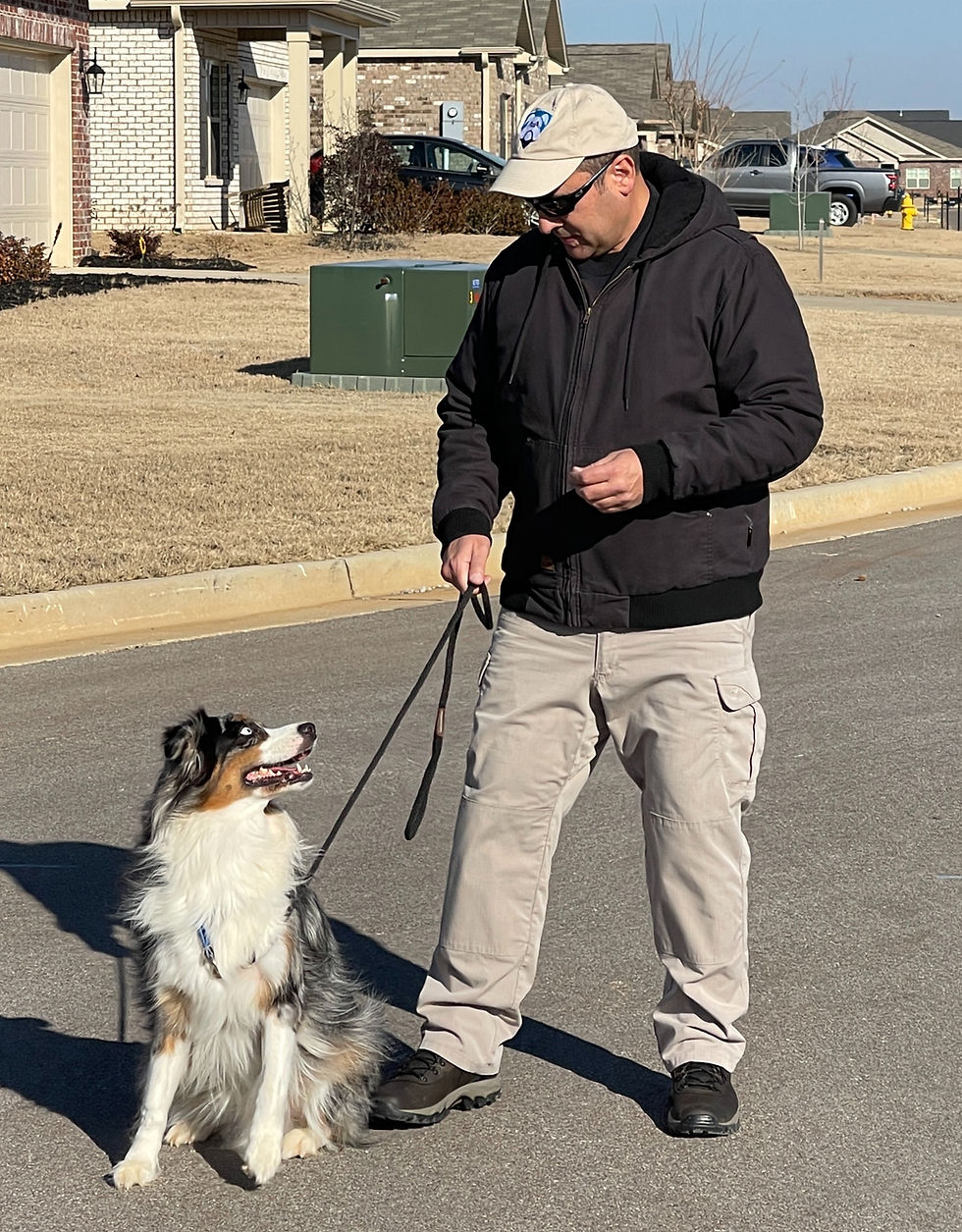
The Responsibilities of Raising a Puppy

Many people underestimate the level of responsibility needed to raise a puppy. So go back and listen to that first episode of What's Needed to own a new puppy. And today we're going to talk about the truths and the myths of raising a puppy.
The Truths:
1: Raising a young puppy is a part-time job.
For some people, it's a full-time job. You have to be on top of that puppy all the time. They're going to potty 10-12 times a day. They need a tremendous amount of sleep. They need water, food, and many other things I’ll discuss in this article. The bottom line is that you have to dedicate a lot of time to raising this puppy right from the get-go. If not, you're going to have a lot of problems. These problems include not being able to potty train them effectively, the puppy chewing everything, the puppy play-biting too much, barking too much, and basically being annoying.
2: Hiring a dog trainer may not help - It is not the solution.
A lot of people hire dog trainers when they're overwhelmed within the first week of having their puppy, and they think that it’s the magic bullet. They think that the dog trainer will handle everything for them. That is absolutely false. The dog trainer's job is not to take care of raising your puppy. That would be the equivalent of you having a child, and the teachers at daycare and pre-school are going to raise your child for you. They're not. You're going to raise your child. The daycare and preschool supplement what you're doing to raise the child at home.
A dog trainer can give you tips, pointers, suggestions, ideas, and everything else to help you raise that puppy more effectively. But we don't live with you. We're not there all the time. We can't stop by every time you overstimulate your puppy when they are play-biting too hard. We can’t be there when your puppy has an accident on the dining room rug because you were cooking dinner, and the puppy was off-leash or not in a crate. You weren't following the rules that the trainer gave you. There are too many variables that dog trainers can't control. The only thing a dog trainer can do is offer suggestions and tips on raising the puppy. The work has to be done by you.
3: You have to do the work yourself with the help of a coach.
I am a puppy owner coach, in addition to being a dog trainer and a dog behavior consultant. A lot of times, people get so overwhelmed by the responsibility that once a coach comes along and identifies that they need to create structure, trust, leadership, rules, boundaries, obedience, discipline, leash training, and socialization, unfortunately, they end up rehoming the puppy because it's too much work.
They didn't think it through. They spent a couple of thousand dollars on a dog from a breeder, and they hired a dog trainer. Then they realize, based on the dog trainer's information, that it is a tremendous amount of work and too much for them. So they either return the dog to the breeder or re-home it.
Rehoming a young puppy is very bad for them because they don't know what's going on. They were at a breeder for eight or ten weeks. Now they're at a home. Shortly after that, they're going to another house. It's tough on the puppy. It's tough on the owners, too. You spend all that money, and you're not getting any of it back. There are no refunds. So don't get a puppy unless you're sure you can commit to it and that you'll use a coach's help. But you have to do the work yourself, using the coach's advice and tips.
The Myths:
1: Young puppies only need affection and play.
That is so untrue. Unfortunately, a lot of people get a puppy, and it's so cute that they think all they're supposed to do is feed it, take it outside, play with it all day long in the house, and cuddle with it all the time. That is absolutely not what a puppy needs at that age. What it needs is structure, leadership, rules, boundaries, obedience, and discipline. These are the things that I wrote in my book The Complete Puppy Training Manual.
2: Teaching your puppy the no command will solve everything.
That is a big mistake. When you say “no” to the puppy so many times, especially before it knows its name, it thinks its name is “no,” and that's not good. That's not good leadership. That's not effective because “no” doesn't mean anything to a puppy. For them to understand any cue or command you teach them, it has to be programmed into their software using operant and classical conditioning. There's a scientific method to this. No is not a cue.
3: Punishing the puppy by yelling or using force is essential to establish dominance.
That is not true. The dominance myth was debunked long ago, and dog trainers today use positive reinforcement. We are professionals. We are not allowed to use verbal or physical force when communicating with a dog. If we did, we could end our career and go out of business. In addition, we don't recommend it, and you shouldn't do it because it doesn't help the puppy trust you.
Verbally and physically abusing a puppy will create fear, anxiety, stress, and probably aggression in that puppy. This isn't good. This is when puppies are rehomed or end up in a shelter. They're not adoptable because they have so much baggage from the verbal and physical abuse that there's no hope for them. So don't do that.
Request a FREE Phone Consultation for dog training in Huntsville, AL.