Building a Structure in Your Puppy’s Daily Routine
Updated: Mar 5

Building structure with your new puppy is one of the best things you can do to create a happy, healthy, and obedient puppy. There are many reasons we want to build a structure, and several ways to do so.
Why you should build structure in your puppy's routine
Structure creates calmness in the puppy.
When you have a structure where they know what they're going to do next, they're not stressed out overthinking what's going to happen next. They are not concerned about when they will be fed, when they will be let outside, or when they will go for a walk. All of these things are structured just like in a human's life. We go to work, we go to school, we get up, we drink our coffee, we read the paper, check the email, and take a shower. Many people have puppies that are out of control. They're hyper. They have no structure, no leadership, no rules, no boundaries, and no discipline. We start with structure.
Structure creates an opportunity for the puppy to succeed, not fail.
Your job as the new puppy owner is to set them up for success. That's it. You don't want to leave them off-leash to roam all over the house, causing potty accidents and chewing everything up. You don't want to leave a young puppy at home for eight or 10 hours a day while you're at work. They may need a dog sitter, someone to come over and walk them, or you coming home for lunch. This is a structure. This is setting your puppy up for success.
We don't want to set them up to fail because then you get frustrated. The puppy can feel your frustration. They check out because they don't want to be nagged all the time, and then you end up rehoming the puppy or calling a dog trainer and trying to figure out what you did wrong. It's not the puppy's fault. You didn't do the things right that you should have done from the first day you brought the puppy home.
Structure gives you more control over the puppy's behavior, obedience, and discipline.
Once you build calm, confident leadership, you have structure in the puppy's life. You have an instant puppy that has great behavior, obedience, and discipline. This reduces your frustration and stress. This allows the puppy to thrive, and everybody benefits. This is very important because if you don't have all of your ducks in a row, then you're not going to succeed in raising a puppy. You have to have structure to lay the foundation for the behavior, obedience, and discipline you want.
How do you create structure with your puppy?
Stick to a routine.
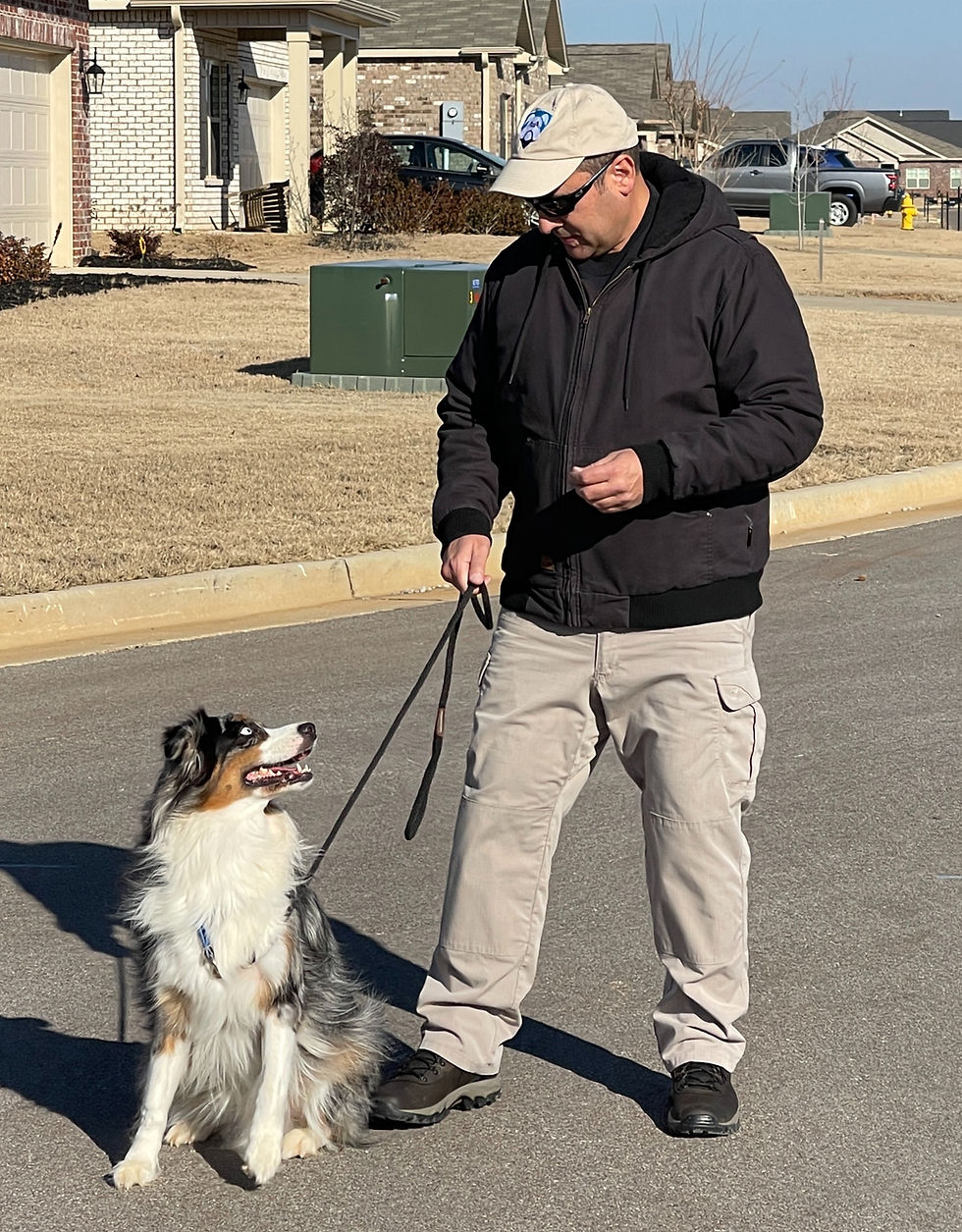
In my book, The Complete Puppy Training Manual, and when I'm hired, I give clients a cheat sheet for creating a puppy's schedule. Here's the way it goes. The puppy wakes up and goes potty instantly. You go for a short walk. You do a little training with them, including sit, down, stay, and come. Work with them for five minutes on that. They're going to eat. You play a little bit with them. You may give them a dog puzzle, a lick mat, or a Kong. You go potty again, and then the puppy takes a nap.
That's how you build structure and a routine in your puppy early on. Stick to that routine for life. They're going to know and anticipate what's going to happen next, and you'll never have to worry about it again. They're going to know that the second they wake up, they go outside. After that, they do training. Then they know in their mind, “Oh, I'm going to eat in just a second.” So they don't have to stress out and beg for the food. They know it's coming. They know they'll be taking a nap soon. This is going to be easy for them and easy for you.
Look at your puppy as being in elementary school.
When I was in elementary school, I had English, math, science, history, PE, and recess. This is a balanced routine that works the mind and body. You can't have your puppy in recess all the time because that will create an imbalance in their life, behavior, and demeanor. Only 20% of their life is play, including throwing the ball in the backyard, using a dog puzzle, or romping around the house with a dog toy. That's it. Not 90%.
When I go to a lot of people's homes, they're doing two things with their young puppy: playing and showing affection. That's it. They're either touching them all the time or talking to them. The puppy has hundreds of toys in a big box in the house.
A 10-week-old puppy needs structure. They need some play, but they mostly need sleep. Your puppy needs exercise, mental stimulation, enrichment, socialization, play, and affection. You're not cuddling with your puppy all the time. You're not touching them or talking to them all the time. You're letting them be a puppy, a dog, a canine, and giving them space to figure some things out on their own. Stop telling them what to do all the time. That doesn't work.
DO NOT replace essential training with play and affection.
This is equivalent to having your puppy in recess all day. You don't want to do that. Have your puppy in elementary school using the following outline:
A 10-minute leash-training session is considered English.
Doing a circuit training of sit down, stay calm, 10 repetitions of each is Science. Science,
Practicing some leave-it-and-drop-it training for impulse control is Math.
Practicing going to their place (or bed) is History.
Each thing you do in the training routine is equal to one subject in elementary school. Then there are other things you can do with the puppy once they've had all their classes and the mental stimulation. So don't replace the mental stimulation, enrichment, and training with play and affection, because that's going to make an unbalanced puppy.
Nobody succeeds that way, and that is when I start getting calls from people who hire me to help with their puppy; it's usually between 9 and 12 months old. It also creates problems later on, such as destructive behavior, not listening, or running away from home. You can avoid these things from happening by building a structure.
Request a free phone consultation for training your puppy or dog in the Huntsville, AL area.