Is Your Dog Bored? How to Spot the Signs and Keep Them Engaged
Updated: Sep 2

As much as they like being comfy and well fed, dogs need more than just food and shelter. They also require mental and physical stimulation. A bored dog might appear to be lazy or a troublemaker, but in many cases, it is boredom leading to frustration that gives rise to problem behavior. Spotting the signs early in that process and offering enriching activities prevents restlessness and keeps your dog healthier and happier.
Signs of Boredom in Dogs
A bored dog will often display repetitive or destructive behaviors. They will chew on furniture, dig holes in the garden or raid bins looking for food. Restlessness, such as pacing or constant barking, is another sign that commonly appears when a dog has energy but no outlet for it. Some dogs can go the other way and seem unusually lethargic. If your dog has taken to lying around with little interest in play, it may signal a lack of engagement rather than physical fatigue. Noticing these patterns helps you to understand when your dog's needs are not being met.
Physical Exercise as a Foundation
Regular exercise is one of the most effective ways to prevent boredom. Walks, runs or play sessions help your dog burn energy and stay healthy. The type and duration of exercise should match your dog's breed, age and fitness level. A young herding dog, for example, will need much more stimulation than an older lap dog. Even for smaller or less active breeds, consistent daily walks and short bursts of play will make a meaningful difference.
Mental Stimulation Through Play and Training
Physical activity is only part of the solution to avoiding boredom. Dogs also benefit from mental challenges. Interactive toys, puzzle feeders and scent-based games will give your dog opportunities to think and solve problems. You should rotate through a variety of games and puzzles to keep challenges fresh and prevent monotony.
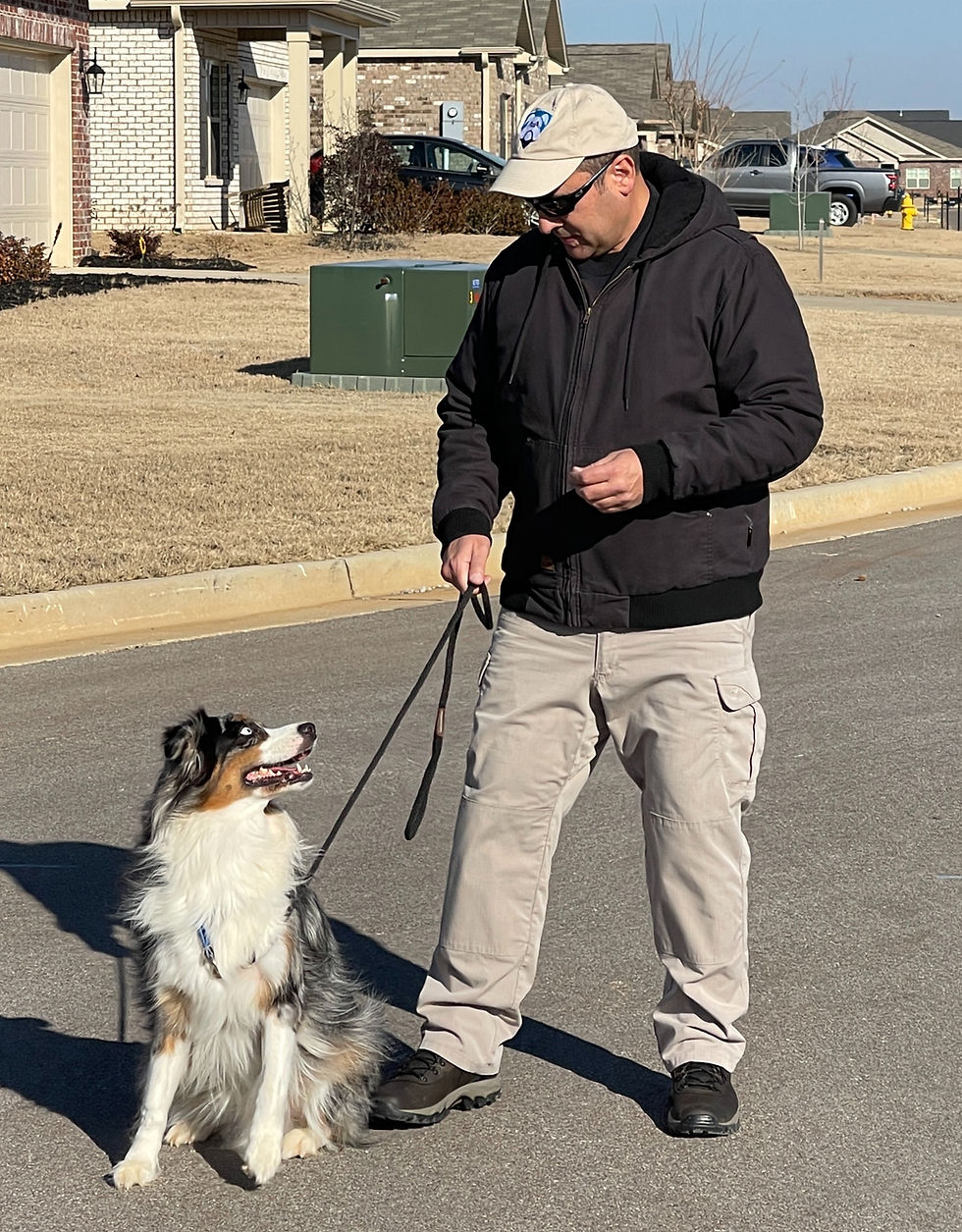
Short, regular training sessions can help keep your dog mentally sharp as well as reinforcing obedience. You can make those sessions fun by teaching new tricks and using treats and praise to reinforce good behavior. Solving puzzles and learning new things keeps your dog engaged and gives them a sense of accomplishment.
Social Interaction and Variety
Dogs are social creatures and enjoy interaction with other animals or with people. A walk through a park where there are lots of things to see and smell is great stimulation for your dog. It also gives them the opportunity to interact with people and perhaps to enjoy some supervised off-lead play with other dogs, if an appropriate area is available. Structured activities like agility classes can also provide stimulation, variety and exercise.
Even small variations, like taking a new walking route or introducing a different toy, can refresh your dog's daily routine. Pay attention to your dog's preferences, see what they enjoy and adjust your activities accordingly. This engagement and stimulation will usually support better mental health for the dog and more balanced behavior.
Boredom in dogs is a common but preventable problem. Recognizing the signs early and introducing a mix of physical, mental and social activities helps keep your dog content and engaged. A dog that is active and stimulated is not only less likely to develop problem behaviors but also more likely to thrive emotionally and physically.
Request a FREE Phone Consultation for dog training in Huntsville, AL.